Contracts hold the terms your business runs on. They cover payment, renewal and termination. Yet the key facts sit buried in long documents, and few teams can search them.
Many teams try to read contracts with AI and stall after the pilot. The tool works on ten clean files. It struggles on thousands of real ones. This post explains why, and how we approach it.
Why is contract data hard to pull out?
Contracts do not follow one layout. An invoice has a set shape. A contract does not. A payment term might sit under "Commercial Terms" in one file and under a charges heading in another.
Basic text reading (OCR, which turns scanned pages into text) often misses the meaning. It reads the words but not how they connect.
Contracts also have columns, scanned signatures and clauses inside clauses. If a system loses that structure, the data loses its context. Then people misread it, and risk grows.
How does the extraction work?
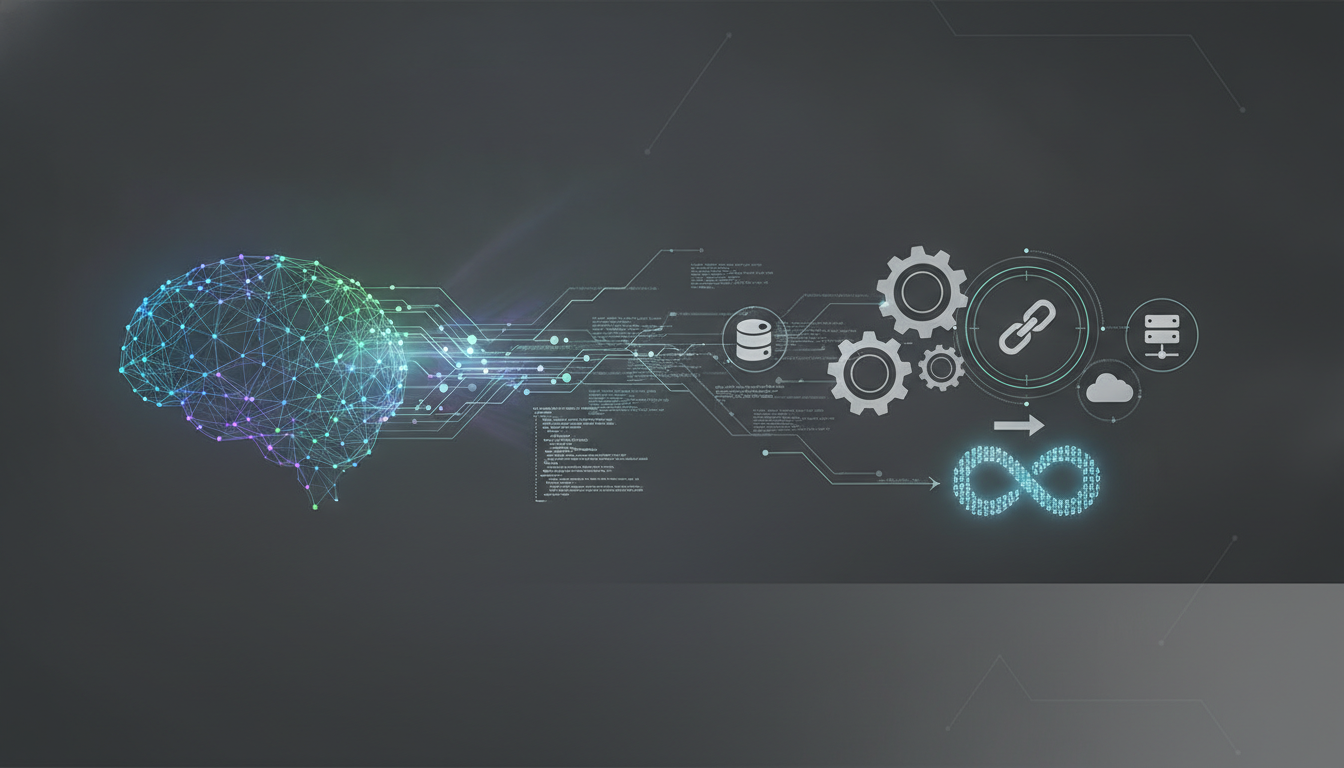
We work in stages. First, we take in the files and convert them to one standard format. Inputs can be PDFs, scans or zipped folders.
Next, we read the page layout. This keeps each clause tied to its section, so the system knows which obligation belongs where.
Then we pick out the key clauses and turn them into structured fields, such as payment terms and termination rights. Other systems can then use those fields. Our Document AI and OCR work covers this step.
What goes wrong in production?
Legal wording changes from one contract to the next. Some clauses look alike but mean different things. A renewal that needs approval is not the same as one that happens on its own. A tool that mixes them up creates real risk.
Teams also need data they can trust. Someone must be able to check each answer against the source page.
Once the fields are clean, other systems can use them. A contract management tool can track renewals. An ERP system can check procurement terms. That cuts manual checking and speeds up decisions.
How we approach it
We embed forward-deployed AI engineers inside your team. They work with your legal, procurement and finance staff on real contracts, not samples. That shows us early where the hard cases are.
We build in small steps and ship each one into your workflow. Your reviewers see the output and tell us what is wrong. We fix it and move on. The steps follow our process.
At the end, we hand over the system and train your people to run it. You should not need us to keep it going.
What this means for teams running AI in production
A contract tool in production needs more than good extraction. It needs a way to send low-confidence answers to a person for review. It needs a log of what the system did. It needs a way to switch it off for one team if something looks wrong. It also needs a clear owner for data privacy rules in your sector. Plan for these from the start, not after the pilot.
One example from our work
One example from our work: RAG search for a national statistics ministry: questions in Hindi, English and Kannada, by voice or text, with citations that link to the exact source page. 490+ legacy statistical tables indexed and queryable in plain language.
That is a different document type. The same idea applies to contracts: every answer should link back to its source.
Next step
If your team has contract data extraction in pilot but not in production, book a discovery call.
Saksham Gupta
Founder & CEO, EduBildSaksham Gupta is the founder and CEO of EduBild, which embeds forward-deployed AI engineers with enterprise teams to ship production AI. Ex-Daimler AG; KIT Germany.