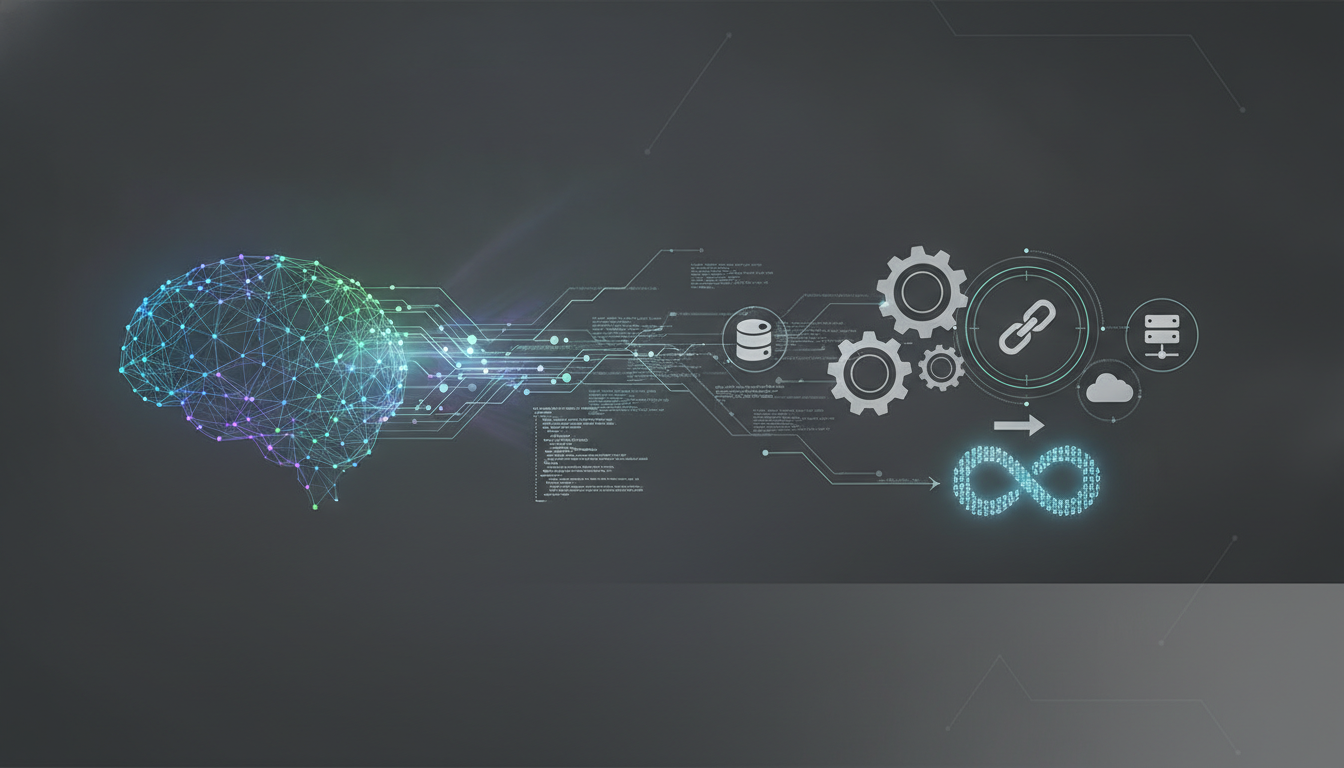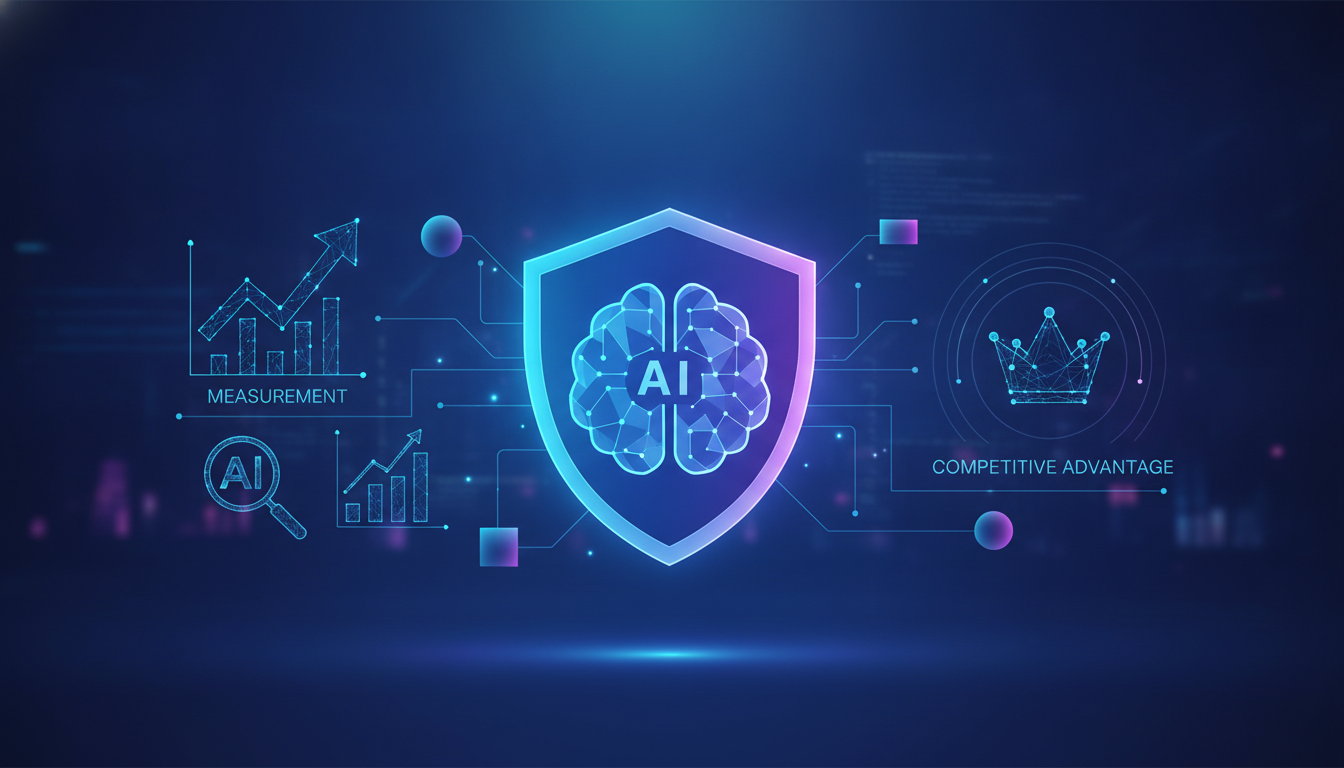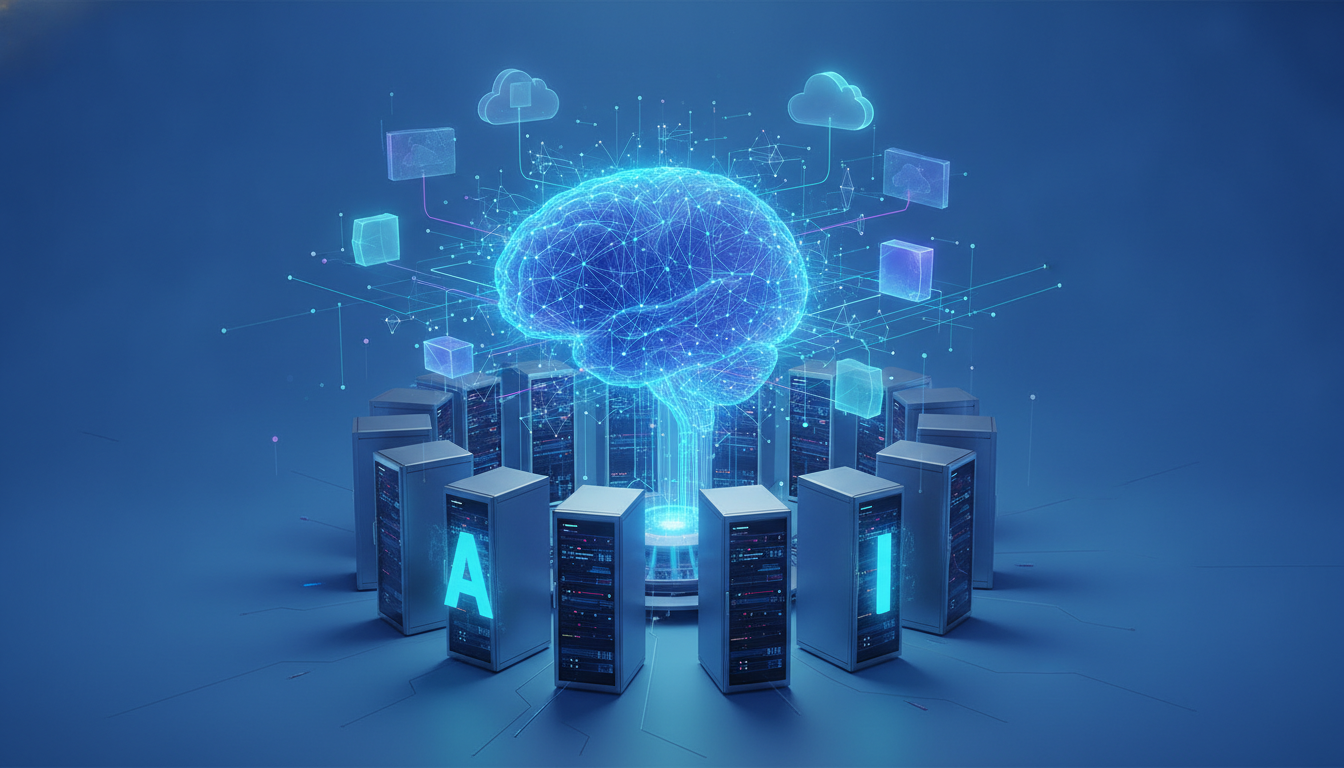
Many enterprises want to move past AI experiments and into real use. An AI lab can help. It is a shared space where business, domain and engineering teams design, test and prepare AI for production. The hard part is setting it up so that governance, security and business value are covered from the start.
A good lab has controlled places to test models. It has clear rules for how data is used. It also has the right infrastructure, which for some teams means servers they run themselves. Outside AI engineers can help your team avoid common mistakes along the way.
Why are AI labs useful for scaling AI?
A lab gives your team a dedicated place to try ideas. You can test a model on real tasks before it reaches users. This helps you find problems with governance and security early, when they are cheap to fix.
Labs also matter for India's global capability centres (GCCs). These are offshore teams run by multinational companies. Many now lead AI work for their parent firms. A lab helps them build solutions that fit the needs of the business they serve.
How do AI labs help with governance and compliance?
Governance means the rules for how AI is built and used. A lab is a safe place to write those rules and test them. The rules usually cover privacy, unfair results, and answers the AI makes up. The last problem is often called hallucination.
A lab also brings business leaders, domain experts and engineers into one room. Together they can agree on checks that fit your industry. This matters most in fields such as banking and healthcare, where rules are strict.
What role do AI labs play in building skills?
AI changes fast, so your people need to keep learning. A lab gives them a place to practise on real work. Staff learn by building, not only by sitting in training.
The best skills transfer happens when your own people work next to experienced engineers. They learn your tools and your data. Then they can run the systems without outside help.
How can a lab support business change?
A lab lets you build AI around real workflows. Examples include first-response help for customers, document checks and finance matching. You can start with one workflow and add more once it works.
Implementation considerations
First, choose your infrastructure with care. Some enterprises have strict rules on where data can go. For them, private LLM deployments on their own servers may be the right choice.
Second, set up governance early. Decide who reviews AI output, what data the AI may see, and how you will check for errors.
Third, plan for people. Involve business owners, engineers and your security team from day one.
What this means for teams running AI in production
A lab is only useful if its work reaches production. Many labs build good demos that never ship. Judge your lab by what it puts into daily use. Ask who owns each system after launch, how errors are caught, and how costs are tracked. If you cannot answer, the lab is still a pilot space.
How we approach it
At EduBild, we do not build a lab and walk away. Our forward-deployed AI engineers work inside your team. We build with your people, on your data and in your workflow.
We work in stages: discover the problem, prove it works, embed with your team, scale it, and hand it over. You can read more on our process page. The goal is that your team can run and improve the agents on its own.
One example from our work: An embedded engagement with an enterprise software company: five phases across three functions (customer operations, self-service and now professional services), with EduBild engineers working inside the client's own office.
FAQ
What is the main purpose of an AI lab?
It gives teams a shared space to design, test and prepare AI for real use. It helps move work from experiments to production.
How do AI labs help build skills?
Staff learn by working on real projects with experienced engineers. This keeps their skills current.
Which infrastructure matters most?
It depends on your rules for data. Some teams need servers they run themselves. Others can use the cloud.
Next step
If your team has AI lab ideas in pilot but not in production, book a discovery call.
Saksham Gupta
Founder & CEO, EduBildSaksham Gupta is the founder and CEO of EduBild, which embeds forward-deployed AI engineers with enterprise teams to ship production AI. Ex-Daimler AG; KIT Germany.