In the rapidly evolving landscape of enterprise commerce, integrating fragmented data sources to enable effective AI personalization remains a significant challenge. Enterprises often deal with isolated data repositories, leading to suboptimal customer interactions and missed opportunities for personalized marketing. This fragmentation results in generic product recommendations and rigid communication schedules, failing to meet the dynamic needs of modern consumers.
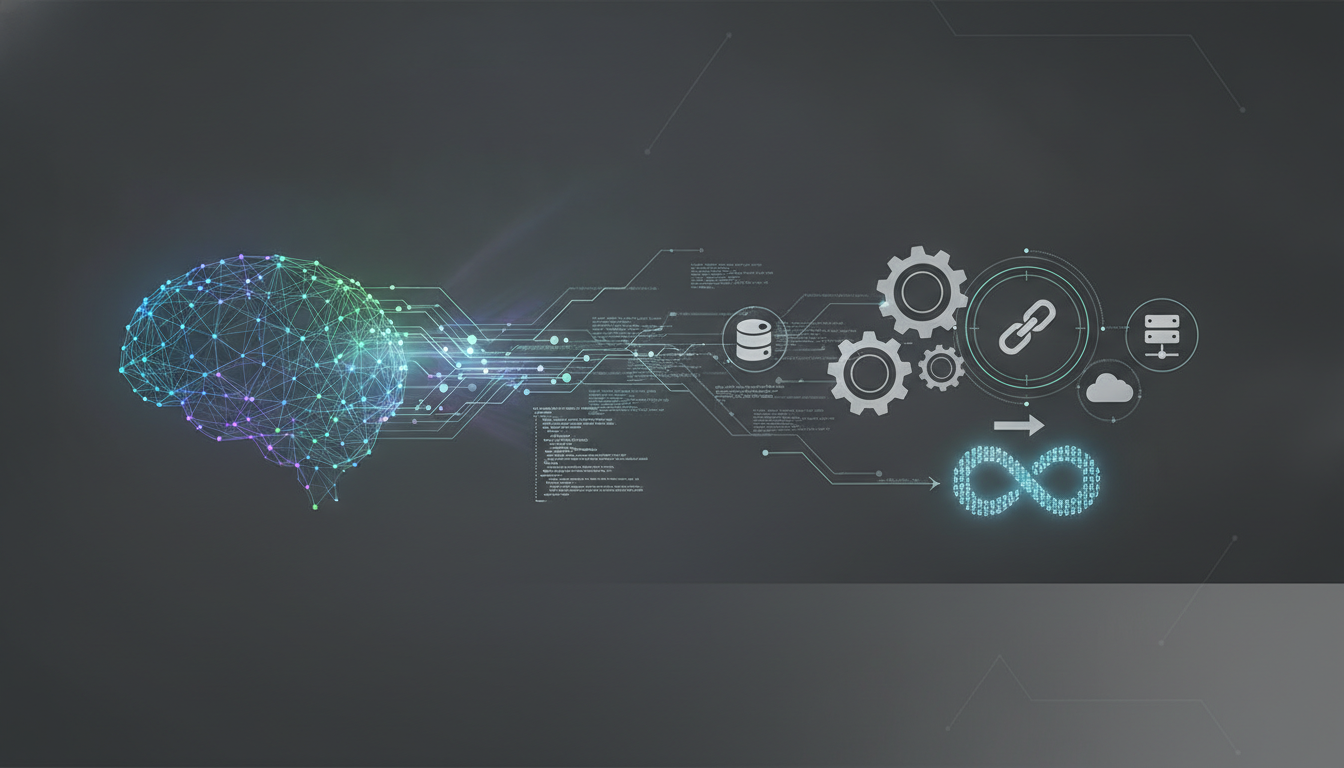
To effectively integrate fragmented commerce data for AI personalization, enterprises must adopt a layered approach. This involves consolidating diverse data streams into unified customer profiles, applying AI-driven decision-making, and deploying personalized interactions across various channels. By focusing on data aggregation, AI decisioning, and seamless delivery, organizations can transform their customer engagement strategies. Implementing solutions like SAP's Advanced Success Plan can guide enterprises in overcoming technical barriers and achieving a cohesive personalization model.
What are the key layers in AI personalization?
AI personalization in enterprises is structured across three critical layers: data, decisioning, and delivery. The data layer involves aggregating real-time customer profiles that include transaction history, browsing behavior, and engagement records. This unified data serves as the foundation for AI algorithms to operate effectively. For instance, without comprehensive data, recommendation engines may offer irrelevant product suggestions, reducing conversion rates.
In the decisioning layer, AI models process behavioral data to make informed suggestions about product displays and promotional offers. This requires robust governance frameworks to balance automated decisions with human oversight. Enterprises often struggle here due to inadequate data governance and integration issues, which can be mitigated by setting clear operational parameters.
The delivery layer executes personalized interactions across digital platforms, ensuring communications are contextually relevant. This requires precise orchestration to match customer contexts, whether through storefronts, emails, or mobile notifications. As of mid-2026, enterprises must prioritize these layers to enhance customer experiences and drive sales.
How does data integration impact AI personalization?
Data integration is crucial for effective AI personalization. Enterprises typically have data scattered across various systems, leading to inefficient AI models. For example, without integrated data, a loyalty program might only consider financial transactions, ignoring vital engagement metrics like customer service interactions.
Integrating data requires a strategic approach to unify disparate sources into a central repository. This involves overcoming integration complexities and ensuring data readiness. Enterprises can conduct data quality assessments to identify gaps and establish pathways for clean data transmission into AI systems. Successful integration enhances the accuracy of AI models, leading to better personalization outcomes.
What role does AI decisioning play in personalization?
AI decisioning transforms raw data into actionable insights that drive personalization. This layer evaluates data streams to determine the optimal customer interactions, such as product recommendations or promotional offers. Effective decisioning relies on well-defined governance frameworks that dictate when AI controls outputs and when human intervention is necessary.
For enterprises, implementing AI decisioning can lead to increased sales and customer satisfaction. However, it requires rigorous testing and optimization to ensure models are performing effectively. Enterprises can use A/B testing frameworks to refine AI algorithms, continually improving personalization strategies.
How can enterprises ensure effective delivery of personalized experiences?
Delivering personalized experiences involves executing tailored interactions across multiple digital channels. This requires a coordinated approach to ensure consistency and relevance in customer communications. Enterprises must manage these interactions to reflect real-time customer contexts, adapting messages based on behavioral insights.
Deploying tools like SAP Emarsys can automate and optimize these processes, ensuring messages reach customers at the most impactful times. Enterprises should focus on developing omnichannel orchestration systems that allow for dynamic customer journeys. By doing so, they can enhance engagement and drive higher conversion rates.
What this means for your organization
For organizations looking to integrate fragmented commerce data for AI personalization, the process involves strategic planning and execution across data, decisioning, and delivery layers. Enterprises must invest in data integration technologies and establish clear governance frameworks to manage AI-driven decision-making.
Additionally, robust delivery systems are essential to execute personalized interactions effectively. By leveraging advanced AI solutions and implementing structured testing workflows, organizations can transform their personalization strategies, leading to improved customer engagement and increased revenue.
FAQ
How can AI improve product recommendations? AI can enhance product recommendations by analyzing comprehensive customer data to identify patterns and preferences. This leads to more accurate and relevant suggestions, improving customer satisfaction and increasing sales.
What are the challenges of integrating data for AI personalization? Common challenges include data silos, integration complexities, and data quality issues. Overcoming these requires strategic planning, robust integration frameworks, and continuous data quality assessments.
How do governance frameworks support AI decisioning? Governance frameworks ensure that AI decisioning aligns with business goals and regulatory requirements. They define the parameters for AI operation, balancing automation with necessary human oversight.
What tools can help in delivering personalized customer experiences? Tools like SAP Emarsys can help automate and optimize personalized customer interactions across channels, ensuring timely and relevant communications that enhance customer engagement.
To explore how EduBild can assist with integrating AI personalization in your enterprise, contact us.
Saksham Gupta
Founder & CEO, EduBildSaksham Gupta is the founder and CEO of EduBild, which embeds forward-deployed AI engineers with enterprise teams to ship production AI. Ex-Daimler AG; KIT Germany.