Integrating Generative AI into SAP systems is a pressing challenge for many organizations looking to enhance their business processes. As enterprises seek to leverage AI to improve efficiency and innovation, they face hurdles in aligning AI technologies with existing SAP infrastructures. The complexity of SAP systems, combined with the rapid evolution of AI capabilities, demands a strategic approach to integration.
To effectively integrate Generative AI into SAP systems, enterprises should focus on collaboration with AI experts, iterative testing, and leveraging co-development partnerships. Establishing a dedicated team for AI integration, as seen with Deloitte's SAP-focused delivery center in Bengaluru, can be crucial. This approach allows organizations to test new AI capabilities in a controlled environment before deploying them at scale. By prioritizing these steps, businesses can enhance their SAP systems with AI-driven insights, ultimately driving more efficient and innovative operations.
What are the Key Benefits of Integrating Generative AI into SAP?
Integrating Generative AI into SAP systems offers numerous advantages that can significantly enhance business processes. Firstly, AI can automate repetitive tasks within SAP, such as data entry and report generation, freeing up valuable human resources for more strategic activities. This automation leads to increased efficiency and reduced operational costs.
Additionally, AI can enhance decision-making by providing advanced analytics and predictive insights. For example, AI-driven predictive analytics can help forecast demand more accurately, optimize inventory levels, and improve supply chain management. These capabilities enable organizations to respond more swiftly to market changes and customer needs.
Moreover, AI integration can lead to improved customer experiences. By analyzing customer data, AI can personalize interactions, recommend products, and predict customer behavior. This personalization fosters stronger customer relationships and can increase sales and retention rates.
How Does AI Integration Align with SAP's Existing Frameworks?
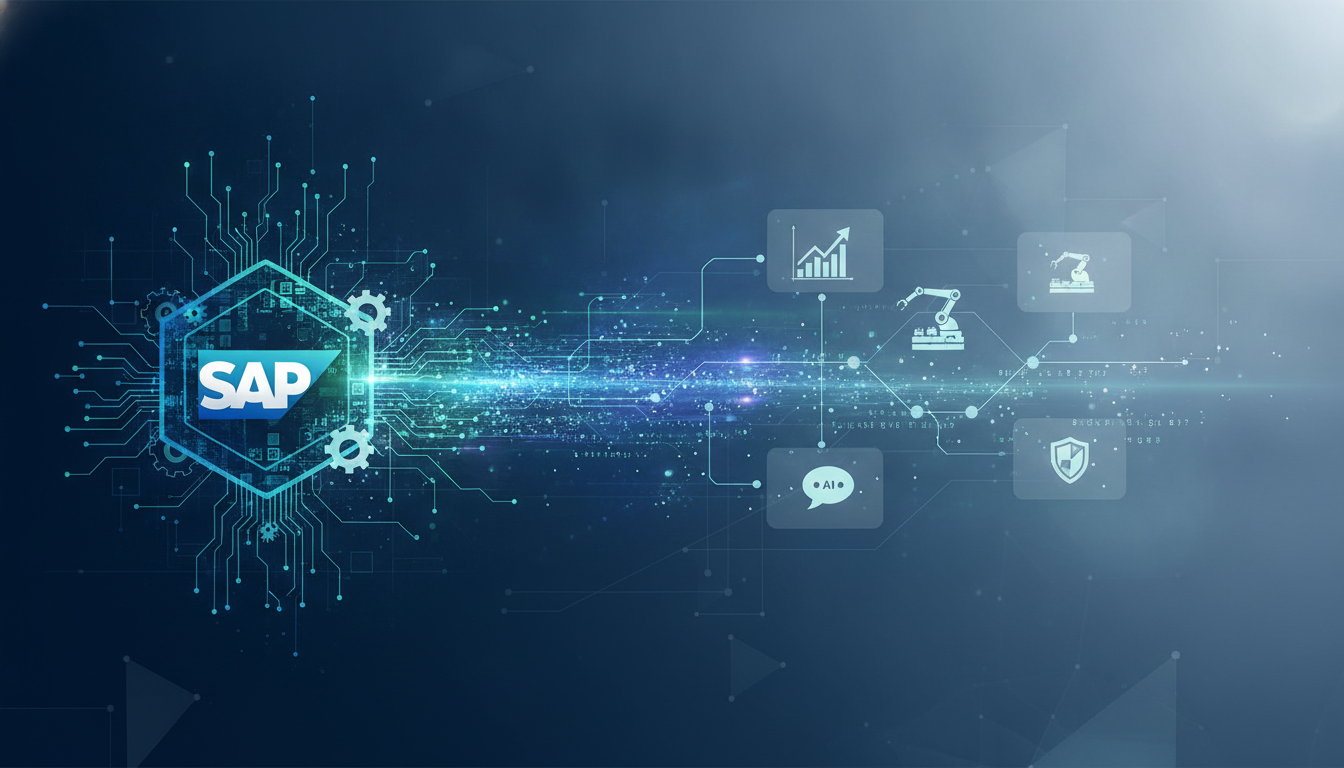
Integrating AI into SAP systems requires careful alignment with existing frameworks to ensure compatibility and functionality. SAP provides several tools and platforms that facilitate AI integration, such as SAP Leonardo and SAP Cloud Platform, which offer AI services and machine learning capabilities.
These platforms allow businesses to develop custom AI models and integrate them seamlessly with existing SAP applications. For instance, SAP Leonardo's machine learning capabilities can be used to enhance existing processes like invoice processing and fraud detection.
Furthermore, SAP's open architecture supports the integration of third-party AI solutions, enabling organizations to leverage the best AI technologies available. This flexibility allows enterprises to customize their AI integration strategies to meet specific business needs and objectives.
What Role Does Agentic AI Play in SAP Integration?
Agentic AI refers to AI systems that can operate autonomously and make decisions based on learned experiences. In the context of SAP integration, agentic AI can significantly enhance business processes by automating complex workflows and improving operational efficiency.
For example, agentic AI can automate supply chain management tasks by autonomously managing inventory levels, ordering supplies, and coordinating logistics. This automation reduces human intervention and minimizes errors, leading to more streamlined operations.
Moreover, agentic AI can enhance risk management by continuously monitoring SAP systems for anomalies and potential threats. By proactively identifying and addressing risks, businesses can mitigate potential disruptions and maintain operational continuity.
What are the Challenges of Integrating AI into SAP Systems?
While the benefits of AI integration are significant, several challenges must be addressed to ensure successful implementation. One of the primary challenges is data integration. SAP systems often contain vast amounts of data stored in various formats, making it difficult to integrate AI solutions that require clean and structured data.
Another challenge is the need for skilled personnel who understand both SAP systems and AI technologies. Organizations must invest in training and development to build a workforce capable of managing AI integration projects effectively.
Additionally, ensuring data security and compliance is critical, particularly when integrating AI solutions that handle sensitive information. Enterprises must implement robust security measures to protect data and comply with relevant regulations.
What This Means for Your Organization
For organizations considering the integration of Generative AI into SAP systems, strategic planning and collaboration are essential. Partnering with AI experts and leveraging platforms like on-premise LLM deployment can facilitate a smoother integration process. Organizations should also consider the benefits of LLM fine-tuning to tailor AI models to specific business needs.
Furthermore, businesses can benefit from using agentic AI customer support to enhance customer interactions and service delivery. By adopting a holistic approach to AI integration, enterprises can maximize the benefits of AI technologies and drive business transformation.
FAQ
What is the role of AI agents in SAP integration? AI agents can automate routine tasks within SAP systems, such as data processing and customer support, improving efficiency and freeing up resources for strategic initiatives.
How can AI improve SAP's supply chain management? AI can optimize supply chain management by providing predictive analytics, automating inventory management, and enhancing logistics coordination, leading to more efficient operations.
What are the security considerations for AI integration in SAP? Organizations must implement robust security measures to protect sensitive data and ensure compliance with regulations when integrating AI solutions into SAP systems.
Ready to enhance your SAP systems with Generative AI? Contact us to discuss your integration strategy.
Saksham Gupta
Founder & CEO, EduBildSaksham Gupta is the founder and CEO of EduBild, which embeds forward-deployed AI engineers with enterprise teams to ship production AI. Ex-Daimler AG; KIT Germany.