In today's competitive landscape, enterprises are increasingly challenged to manage escalating AI inference costs. The need for efficient, scalable AI solutions that align with budget constraints is more pressing than ever. This is particularly true for enterprises in India, where infrastructure costs can be significant and ROI must be demonstrable.
To effectively reduce AI inference costs, enterprises should consider implementing hybrid AI solutions. Hybrid AI combines on-premise deployments with cloud-based services, offering a balance between cost efficiency and scalability. By leveraging on-premise capabilities, enterprises can reduce the cost per million tokens by up to 18 times compared to traditional cloud APIs. This approach not only slashes costs but also enhances data governance and security, crucial for compliance with local regulations.
What Are Hybrid AI Solutions?
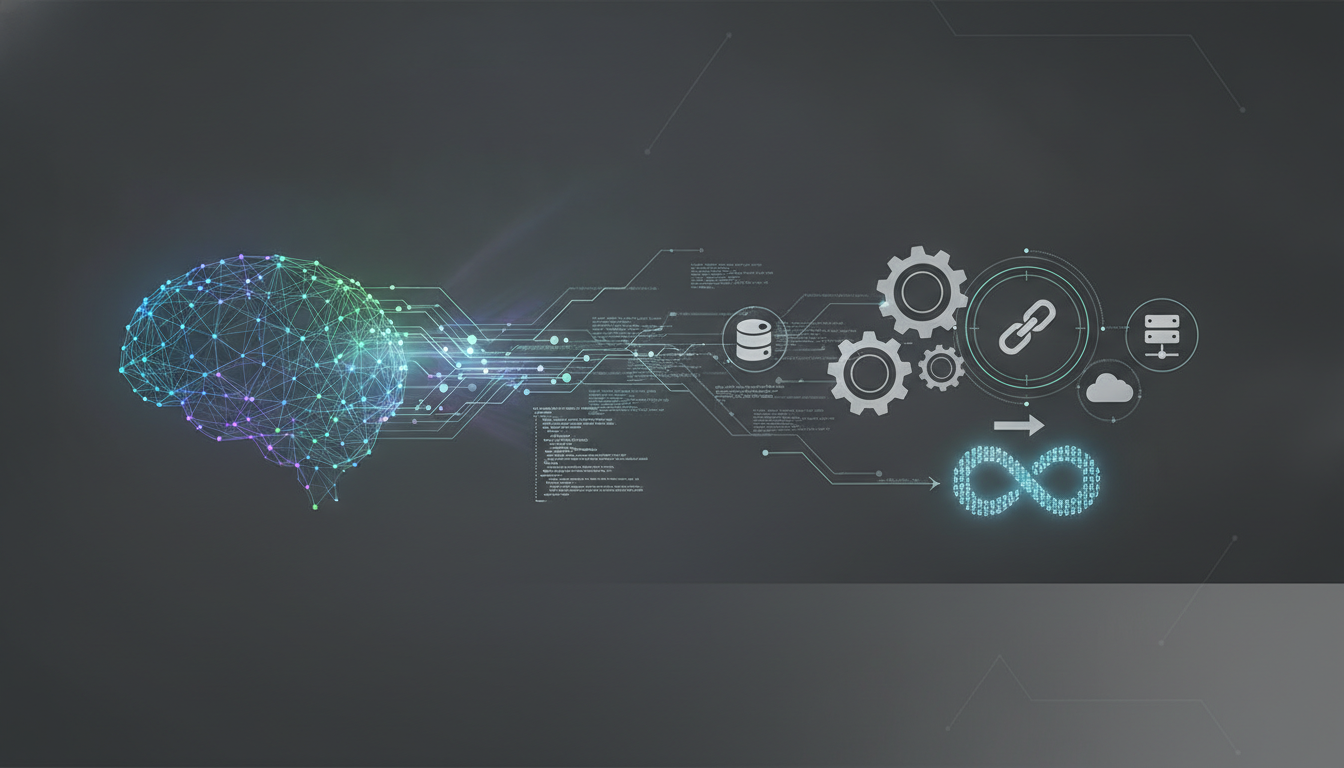
Hybrid AI solutions integrate both on-premise and cloud infrastructures to optimize AI operations. This model allows enterprises to process data locally, reducing latency and cost, while still harnessing the scalability of cloud platforms when necessary. For instance, using on-premise AI for routine tasks reduces the reliance on expensive cloud services, which can be reserved for more demanding processes. This dual approach is particularly beneficial in India, where enterprises often face stringent data sovereignty requirements.
A typical hybrid AI setup involves deploying AI models on local servers for high-frequency, low-latency tasks, and using cloud resources for peak loads or complex computations. This flexibility ensures that enterprises can dynamically allocate resources based on current needs, thereby optimizing costs.
How Do Hybrid AI Solutions Lower Costs?
The primary cost advantage of hybrid AI solutions comes from reducing dependency on cloud services. On-premise deployments can achieve up to 8X lower costs per token compared to cloud-based models. This is because local processing minimizes data transfer costs and allows for better utilization of existing IT infrastructure.
For example, Lenovo's Hybrid AI platform demonstrates that enterprises can process up to 2X more AI requests concurrently using CPU-only configurations. This setup not only cuts down on cloud expenses but also accelerates processing times, contributing to overall cost savings.
Enhancing Security and Compliance
Hybrid AI solutions provide enhanced security and compliance benefits. By keeping sensitive data within local servers, enterprises can better control access and ensure compliance with regulations such as India's Personal Data Protection Bill. This is a significant advantage over purely cloud-based solutions, where data sovereignty can be a concern.
Moreover, hybrid systems offer robust governance features, allowing IT departments to monitor and manage AI deployments more effectively. This is crucial for maintaining operational integrity and ensuring that AI models are used responsibly within the organization.
Real-World Applications and Benefits
Enterprises across various sectors can benefit from hybrid AI solutions. For instance, in customer service, hybrid AI can power AI agents that handle routine inquiries locally, while escalating complex issues to cloud-based systems. This approach not only improves response times but also optimizes resource allocation.
Similarly, in sectors like manufacturing and logistics, hybrid AI can enhance operational efficiency by enabling real-time data processing and decision-making on the factory floor. This leads to improved productivity and reduced downtime, directly impacting the bottom line.
What This Means for Your Organization
Implementing hybrid AI solutions requires careful planning and execution. Enterprises must assess their current infrastructure and identify tasks that can be shifted to on-premise processing. Partnering with a consultancy like EduBild can streamline this transition, ensuring that the hybrid model is tailored to your organization's specific needs.
Additionally, investing in training and development is crucial to ensure your team can manage and optimize the hybrid system effectively. A well-implemented hybrid AI strategy not only reduces costs but also positions your enterprise to leverage AI more strategically in the future.
FAQ
What are the main components of a hybrid AI solution? A hybrid AI solution typically involves a combination of on-premise servers and cloud services. The on-premise component handles routine tasks, while the cloud is used for more resource-intensive processes.
How does hybrid AI improve compliance? By processing sensitive data locally, hybrid AI enhances compliance with data protection regulations, ensuring data sovereignty and reducing the risk of breaches.
Can hybrid AI solutions be customized for different industries? Yes, hybrid AI solutions can be tailored to meet the specific needs of various industries, such as healthcare, finance, and manufacturing, by adjusting the balance between on-premise and cloud resources.
For enterprises looking to optimize their AI infrastructure, contact us to explore how EduBild can assist in deploying effective hybrid AI solutions.
Saksham Gupta
Founder & CEO, EduBildSaksham Gupta is the founder and CEO of EduBild, which embeds forward-deployed AI engineers with enterprise teams to ship production AI. Ex-Daimler AG; KIT Germany.