Selecting the right hardware for scalable enterprise AI deployments is a complex challenge. Enterprises need to balance between processing power, cost, and scalability, while ensuring compliance with data security regulations. As AI models grow in complexity and size, the underlying hardware must support these demands without compromising performance or efficiency.
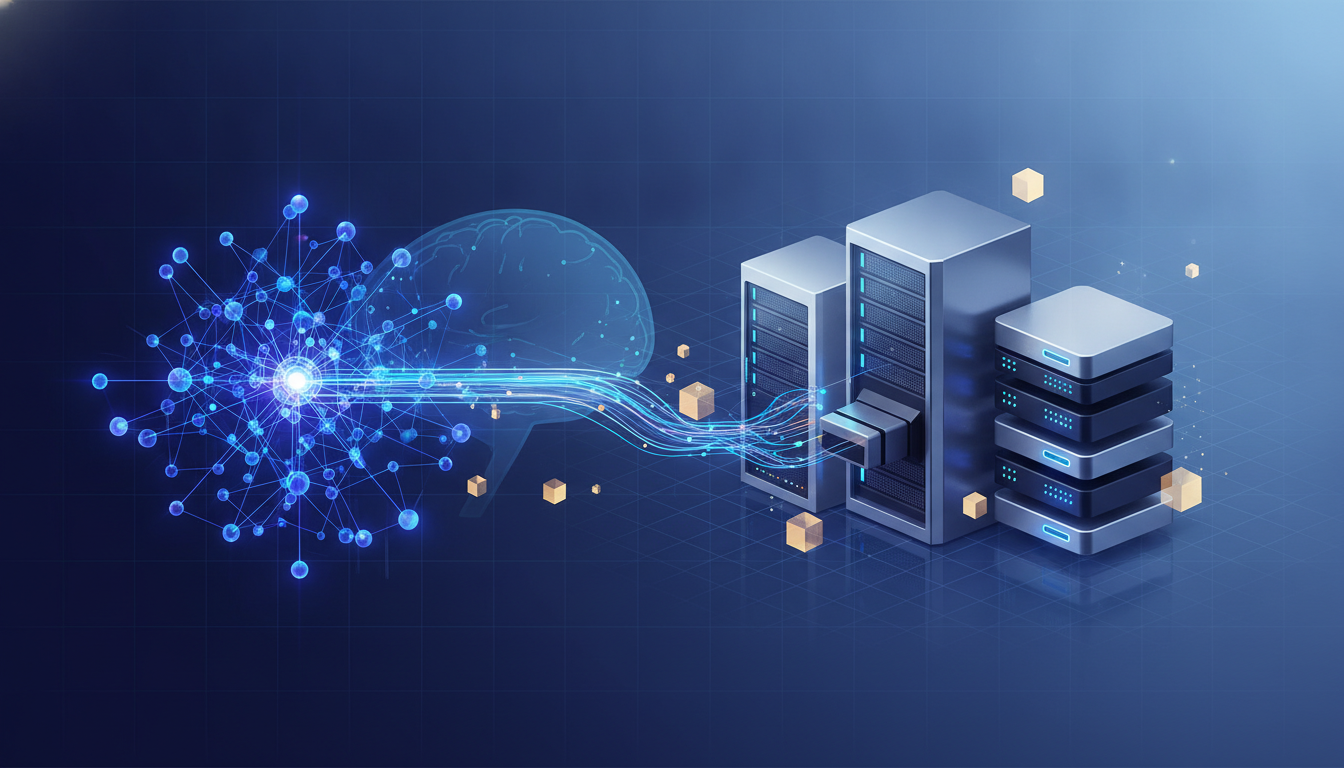
To address these needs, enterprises should consider a tiered hardware approach that scales from individual workstations to data centers. Personal edge devices, like the FusionXtation X3 8000 Gen2, provide powerful local processing for tasks requiring 70 to 200 billion parameter models. For team-level processing, solutions like the FusionXpark appliance support secure and compliant data handling. At the corporate level, TokenBox nodes offer a centralized processing solution for high-volume tasks, and at the data center level, liquid-cooled racks and supernodes provide the necessary scale for multinational operations.
What are the key considerations for edge computing devices?
Edge computing devices are critical for tasks that require immediate processing power and minimal latency. These devices, such as the FusionXtation X3 8000 Gen2, are equipped with Intel Core Ultra processors and dual professional-grade GPUs, supporting up to 256GB of error-correcting DDR5 RAM. This configuration is ideal for complex simulations and rendering tasks, providing up to a 50% boost in AI processing performance. When selecting edge devices, enterprises should consider the specific workload requirements and ensure the hardware supports the necessary processing parameters.
How do workgroup appliances enhance data security?
Workgroup appliances like the FusionXpark are designed to handle sensitive data securely. They enable teams to process commercial data in isolated environments, reducing the risk of data leaks. These appliances support local processing of 405-billion parameter models and are optimized with NVIDIA DGX OS for immediate access to necessary toolchains. By maintaining data within controlled environments, enterprises can meet compliance requirements without compromising on processing capabilities.
Why are centralized processing utilities important for enterprises?
Centralized processing utilities, such as the TokenBox, are essential for managing high-volume tasks efficiently. These units handle model parameters up to 1.6 trillion, providing robust processing power without the need for extensive server infrastructure. With noise levels capped at 35 decibels, these units can be placed in regular office environments, facilitating seamless integration into existing systems. The pre-installed software and hardware configurations minimize setup time, offering a rapid return on investment.
What role do data center solutions play in scaling AI capabilities?
Data center solutions are crucial for enterprises looking to scale AI capabilities across large networks. The FusionServer G6550 V8, part of xFusion’s supernode architecture, manages up to 240 kilowatts per cabinet and supports high-density processing with dual-width GPUs. Efficient thermal management through liquid cooling ensures operational efficiency, with a Power Usage Effectiveness of 1.06. This infrastructure supports massive data throughput, with storage solutions like the FusionOne DFS achieving read speeds of 200 GB/s, crucial for handling exabytes of data.
Implementation considerations
When implementing these hardware solutions, enterprises must consider the integration with existing IT infrastructure, the scalability of the hardware to accommodate future growth, and the total cost of ownership. It’s also essential to evaluate the support for compliance standards, especially for industries handling sensitive data. Partnering with a consultancy like EdubildAI can aid in navigating these complexities, ensuring that deployments are efficient, secure, and aligned with organizational goals.
FAQ
What is the benefit of using liquid-cooled systems in data centers? Liquid cooling improves thermal efficiency, reducing energy costs and supporting higher processing densities. It allows data centers to manage more powerful hardware configurations without overheating issues.
How does edge computing reduce latency? By processing data locally, edge computing minimizes the time it takes for data to travel to a central server, reducing latency and improving response times for real-time applications.
Why is compliance important in AI deployments? Compliance ensures that data handling meets regulatory standards, protecting sensitive information and reducing the risk of legal issues. It is particularly crucial in sectors like finance and healthcare.
What should enterprises consider when scaling AI infrastructure? Enterprises should assess current and future processing needs, the compatibility of new hardware with existing systems, and the potential for integrating AI solutions into broader business processes.
For tailored advice on AI hardware solutions, contact us at EdubildAI and explore how we can support your enterprise's AI journey.
Saksham Gupta
Founder & CEOSaksham Gupta is the Co-Founder and Technology lead at Edubild. With extensive experience in enterprise AI, LLM systems, and B2B integration, he writes about the practical side of building AI products that work in production. Connect with him on LinkedIn for more insights on AI engineering and enterprise technology.