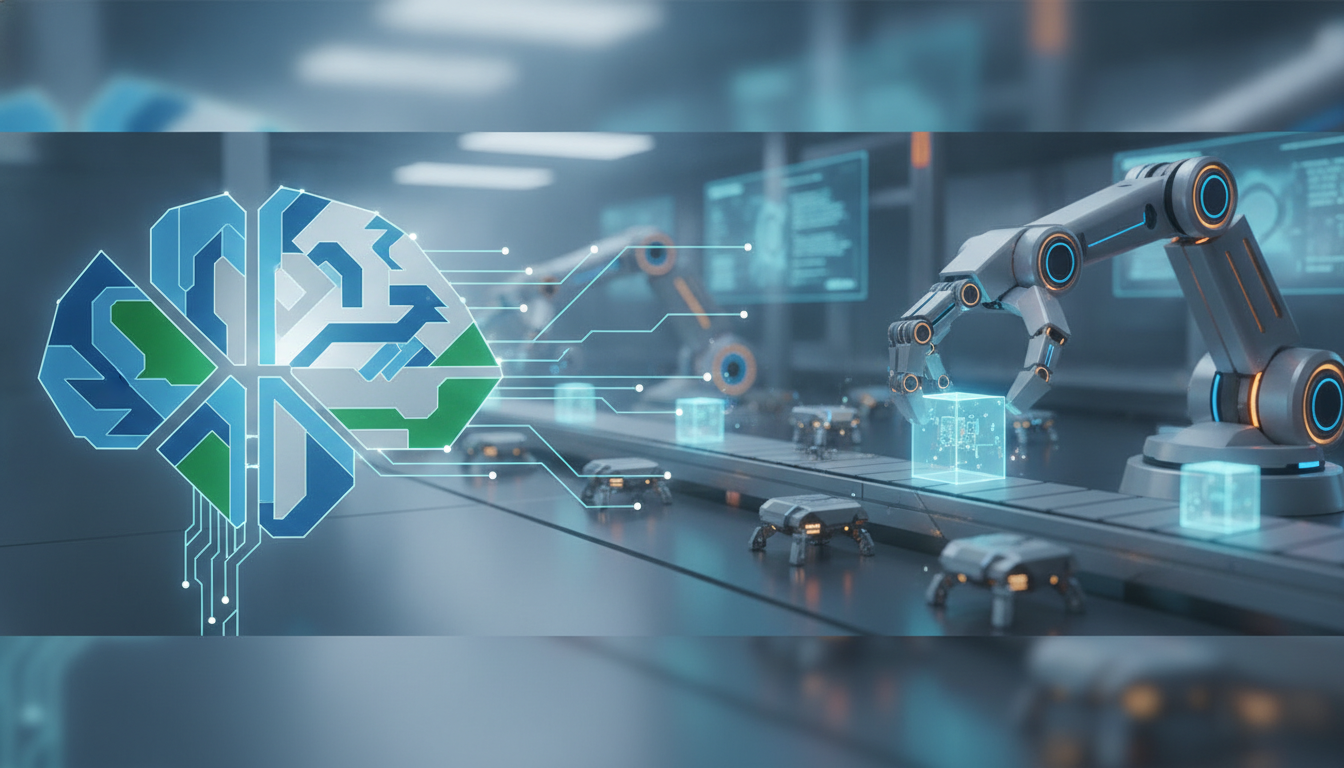
In the highly competitive manufacturing environment, integrating robotics with generative AI can be a daunting task. For enterprises looking to optimize their robotic workforce, the challenge lies in effectively managing these integrations to enhance productivity while maintaining quality. Without a clear strategy, companies may find themselves overwhelmed by the complexity of AI systems and the rapid pace of technological advancement.
Implementing generative AI in manufacturing involves leveraging AI models to facilitate seamless integration of robotic systems. By utilizing AI's ability to process and analyze vast amounts of data, manufacturers can optimize operations, improve efficiency, and reduce human error. This approach not only enhances the capabilities of existing robotic systems but also enables the development of more adaptable and intelligent robots that can respond to dynamic environments.
What are the benefits of using generative AI in manufacturing?
Generative AI can significantly enhance the adaptability and efficiency of robotic systems in manufacturing environments. One of the primary benefits is improved decision-making capabilities. AI models can analyze real-time data from various sources, allowing robots to make informed decisions quickly. For example, in quality control processes, AI can detect anomalies in products faster than human inspectors, leading to reduced waste and higher quality outputs.
Moreover, generative AI can facilitate predictive maintenance, a critical aspect of manufacturing operations. By analyzing patterns and trends in machine performance data, AI can predict equipment failures before they occur, minimizing downtime and maintenance costs. This capability is particularly beneficial in industries where continuous operation is crucial, such as automotive and electronics manufacturing.
Finally, the integration of AI into robotics allows for greater customization and flexibility in production processes. Robots equipped with AI can be reprogrammed to handle different tasks with minimal downtime, which is essential for manufacturers looking to adapt to changing market demands quickly.
How does AI enhance robotic workforce integration?
AI enhances robotic workforce integration by providing robots with the ability to learn and adapt to new tasks. This is achieved through machine learning algorithms that enable robots to improve their performance over time. For instance, AI can help robots understand complex assembly processes by analyzing video and sensor data, allowing them to adjust their actions accordingly.
In addition, AI-driven robots can collaborate more effectively with human workers. Through natural language processing and computer vision, robots can understand verbal instructions and visual cues, making it easier for them to work alongside humans in shared environments. This capability not only increases productivity but also improves workplace safety by reducing the likelihood of accidents.
AI also facilitates the integration of different robotic systems within a manufacturing plant. By connecting various machines through a centralized AI platform, manufacturers can ensure that all components work together seamlessly, leading to more efficient and coordinated production lines.
What role does data play in optimizing AI-driven robotics?
Data is a critical component in optimizing AI-driven robotics. In manufacturing, data is collected from multiple sources, including sensors on machines, production logs, and quality control reports. This data is then processed by AI algorithms to identify patterns and insights that can improve robotic performance.
For example, data from sensors can be used to monitor the condition of robotic components in real-time. AI can analyze this data to predict when maintenance is needed, preventing unexpected breakdowns and extending the lifespan of machinery. Additionally, data analytics can help manufacturers identify inefficiencies in production processes, allowing them to make data-driven decisions to enhance productivity.
Furthermore, data plays a pivotal role in training AI models. High-quality datasets are essential for developing AI systems that can accurately interpret and respond to complex manufacturing scenarios. By continuously feeding AI models with fresh data, manufacturers can ensure that their robotic systems remain up-to-date and capable of handling new challenges.
How can enterprises ensure successful implementation of AI in robotics?
Successful implementation of AI in robotics requires a strategic approach that considers both technical and organizational factors. Enterprises should start by clearly defining their objectives and identifying areas where AI can add the most value. This involves conducting a thorough assessment of current processes and determining how AI can enhance efficiency and productivity.
Collaboration with AI experts is crucial for building effective AI systems. Partnering with companies that specialize in AI agents or on-premise LLM deployment can provide valuable insights and technical expertise. These partnerships can help organizations design and implement AI solutions tailored to their specific needs.
Additionally, enterprises must invest in training their workforce to work alongside AI-driven robots. This includes providing employees with the necessary skills to operate and manage AI systems effectively. By fostering a culture of innovation and continuous learning, companies can ensure a smooth transition to AI-enhanced manufacturing processes.
Implementation considerations
When implementing generative AI in manufacturing, enterprises must consider several factors to ensure success. One of the primary considerations is the integration of AI with existing systems. Companies should evaluate whether their current infrastructure can support AI technologies and make necessary upgrades if needed.
Security is another critical aspect. As AI systems often involve handling sensitive data, manufacturers must implement robust security measures to protect against data breaches and unauthorized access. This includes using secure communication protocols and regularly updating security software.
Finally, enterprises should monitor the performance of AI-driven robotics continuously. By setting up key performance indicators (KPIs) and regularly reviewing them, companies can measure the impact of AI on their operations and make necessary adjustments to optimize outcomes.
FAQ
What are the challenges of integrating AI with robotics in manufacturing?
Integrating AI with robotics in manufacturing can be challenging due to the complexity of AI systems and the need for significant infrastructure upgrades. Additionally, aligning AI technologies with existing processes and ensuring data security are critical challenges that need to be addressed.
How does generative AI differ from traditional AI in manufacturing?
Generative AI differs from traditional AI in its ability to create new content or processes rather than just analyzing existing data. This allows for more innovative solutions in manufacturing, such as designing custom products or optimizing production workflows in real-time.
What industries benefit most from AI-driven robotics?
Industries that benefit most from AI-driven robotics include automotive, electronics, and consumer goods manufacturing. These sectors often require high precision and efficiency, which AI-driven robotics can provide by enhancing quality control and reducing operational costs.
Ready to explore how generative AI can transform your manufacturing operations? Contact us to discuss tailored AI solutions for your enterprise.
Saksham Gupta
Founder & CEOSaksham Gupta is the Co-Founder and Technology lead at Edubild. With extensive experience in enterprise AI, LLM systems, and B2B integration, he writes about the practical side of building AI products that work in production. Connect with him on LinkedIn for more insights on AI engineering and enterprise technology.