The problem in plain words
Your AI agent works in the pilot. Now security asks: what can it touch, and who is watching it? Many pilots stall at this point.
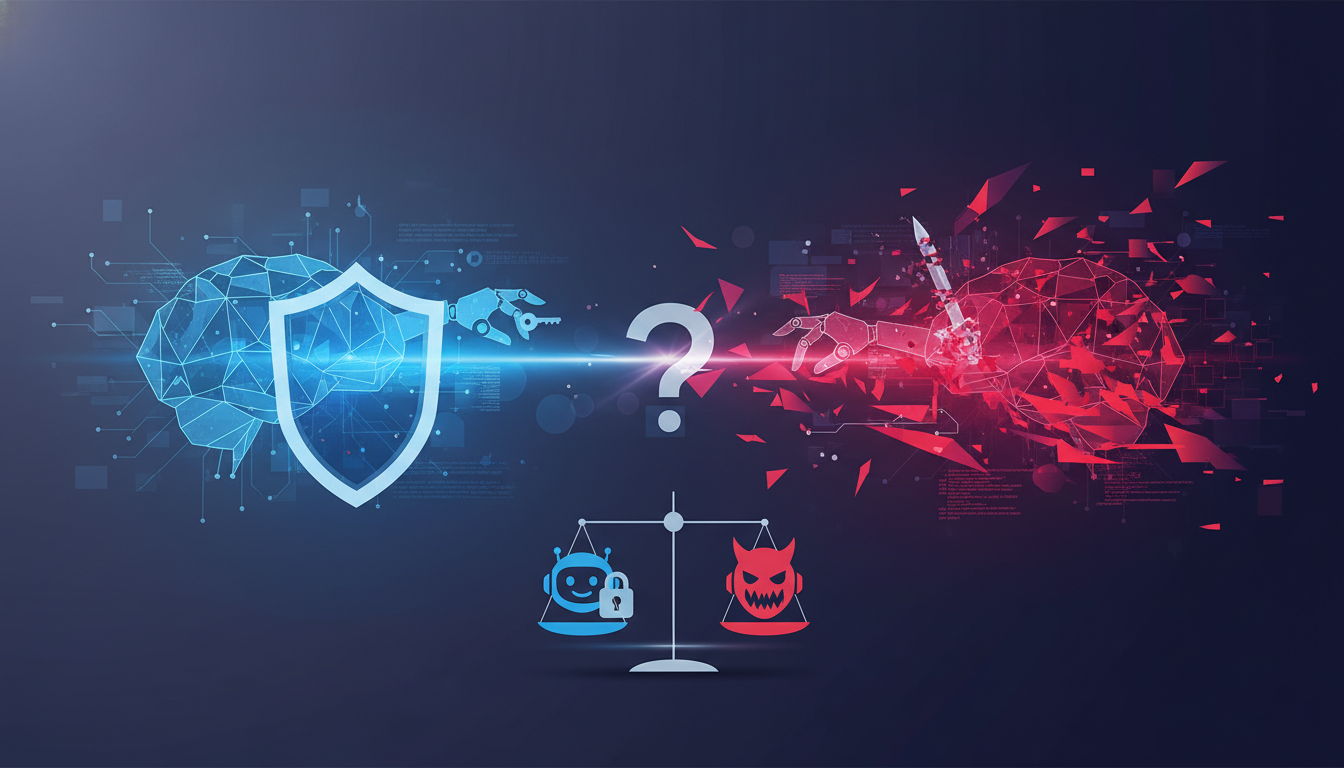
An AI agent is software that takes actions on its own, such as reading a file or updating a record. That is the benefit. It is also the risk. An agent with wide access can be tricked into doing something nobody approved.
Why the risk is real in production
One risk is called the confused deputy problem. A trusted agent, with broad access, is misled by a bad request. It then uses its own access to do the attacker's work. The agent is not hacked in the usual sense. It is persuaded.
Another risk is shadow agents. These are agents that a team set up without telling IT or security. Nobody reviews them. Nobody knows what data they can reach. You cannot protect what you have not listed.
Zero trust means no user or system is trusted by default. The same idea applies to agents. Two parts matter most:
- Containment: the agent can use only the access its job needs, and no more.
- Alignment: the agent stays on its approved task, even when a request tries to pull it away.
How we approach it
At EduBild, our forward-deployed engineers work inside your team. We build security controls into the agent from the first week, not after the pilot. Your security reviewers see the design early, so they are not surprised late.
We set up four controls on every AI agent we ship:
- Scoped permissions. Each agent gets its own identity and an owner. It can reach only the systems and data its task needs.
- Audit trails. Every action is recorded, so you can see what the agent did and why.
- Human review. When the agent is not confident, it hands the case to a person.
- Per-team on/off switches. A team lead can pause an agent at once without waiting for engineering.
We also keep a list of every agent in use, with its purpose and its owner. Then we hand all of this over to your team. This is part of our process. Your people should run these controls long after we leave.
An example from our work
One example from our work: An autonomous L1 IT support agent that resolves 70% of tickets without a human, around the clock.
An agent that runs all day with no human present needs tight limits. It needs a clear record of what it did. It needs a way to stop. These are the controls above.
Build a culture, not just controls
Tools alone do not fix this. Leaders need to make AI risk a normal topic. Bring legal, compliance, HR and IT into the same conversation early.
Give teams a safe place to try new ideas. A sandbox, with test data and no live access, lets people learn without risk. Train staff on what agents can and cannot do. When people trust the rules, they report problems sooner.
Five steps to start
- Give each agent a unique identity and a named owner.
- Write down what each agent is meant to do and what it must never do.
- Limit each agent to the data and systems its task needs.
- Record agent actions and review them on a regular schedule.
- Add a human check and an off switch for every agent.
Next step
If your team has AI agent security in pilot but not in production, book a discovery call.
Saksham Gupta
Founder & CEO, EduBildSaksham Gupta is the founder and CEO of EduBild, which embeds forward-deployed AI engineers with enterprise teams to ship production AI. Ex-Daimler AG; KIT Germany.


