In the fast-paced world of manufacturing, where precision and quality are paramount, integrating AI systems often presents unique challenges. While AI can automate and optimize many processes, it lacks the nuanced understanding that experienced engineering talent provides. This gap can lead to quality issues if not properly addressed, impacting product reliability and customer satisfaction.
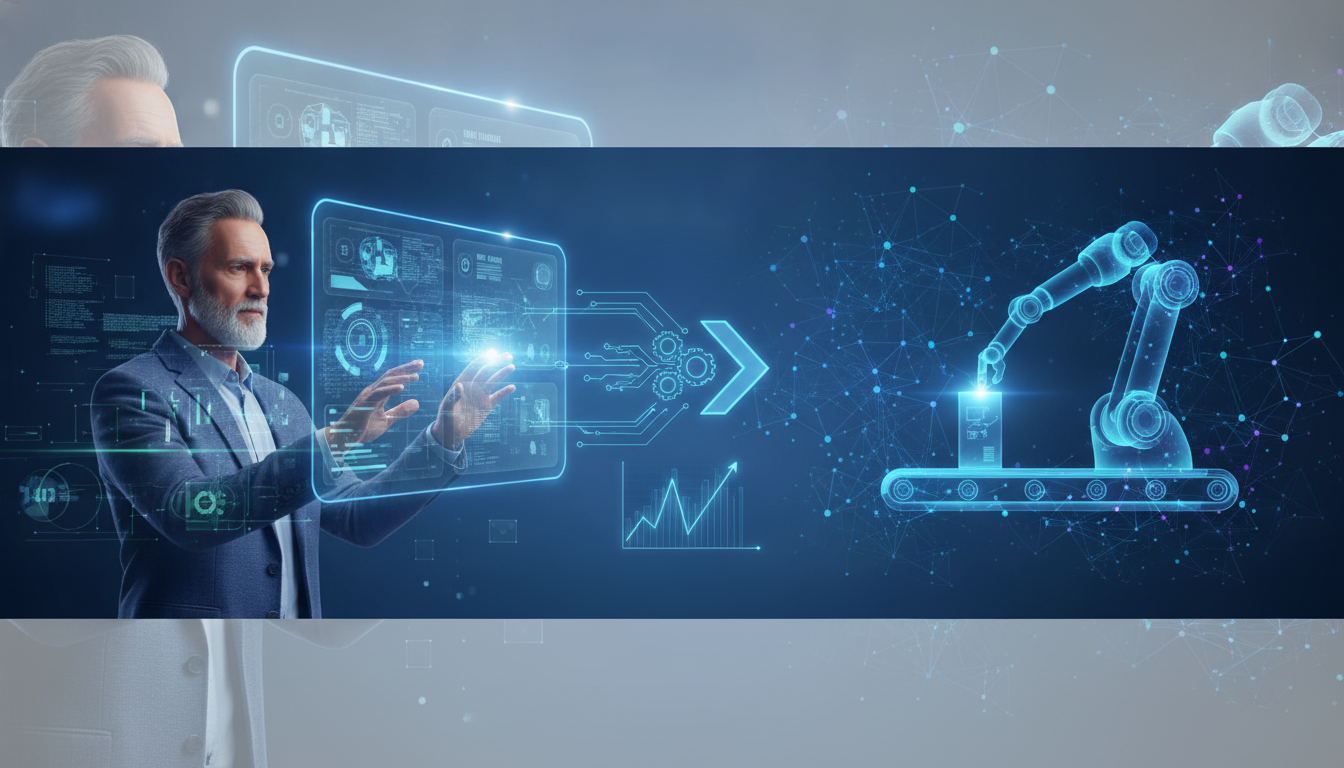
To enhance product quality in manufacturing, it's crucial to merge the strengths of AI systems with the expertise of seasoned engineers. This integration involves not just adopting AI tools but also ensuring that the engineering insights are effectively embedded into these systems. Ford's approach, expanding their engineering team by over 350 members to support AI initiatives, serves as a valuable case study in recognizing the importance of human expertise alongside AI technology.
What role do experienced engineers play in AI system integration?
Experienced engineers bring a wealth of knowledge and practical insights that are critical in training and refining AI models. These professionals understand the intricacies of manufacturing processes and can identify potential pitfalls that AI systems might overlook. At Ford, for instance, seasoned engineers mentor younger staff and enhance the AI training data, ensuring that AI systems are not just technically sound but also aligned with practical manufacturing realities.
Moreover, experienced engineers can lead the way in reorganizing product development processes to address quality issues early. By collaborating with AI systems, they ensure that potential defects are identified and rectified before reaching the production stage. This proactive approach contrasts with a reactive 'find-and-fix' mentality, offering significant improvements in product quality.
How does AI complement traditional engineering in manufacturing?
AI systems excel at handling large volumes of data and identifying patterns that might be invisible to human engineers. For instance, in the context of quality control, AI can analyze data from various production stages to predict potential failures, thus preventing costly recalls.
However, AI's effectiveness depends heavily on the quality of data and the parameters set during the initial setup. This is where traditional engineering expertise becomes invaluable. Engineers provide the contextual knowledge necessary to interpret AI's findings correctly and make informed decisions. This symbiotic relationship between AI and human expertise is pivotal for achieving superior product quality.
How can AI systems improve quality control in manufacturing?
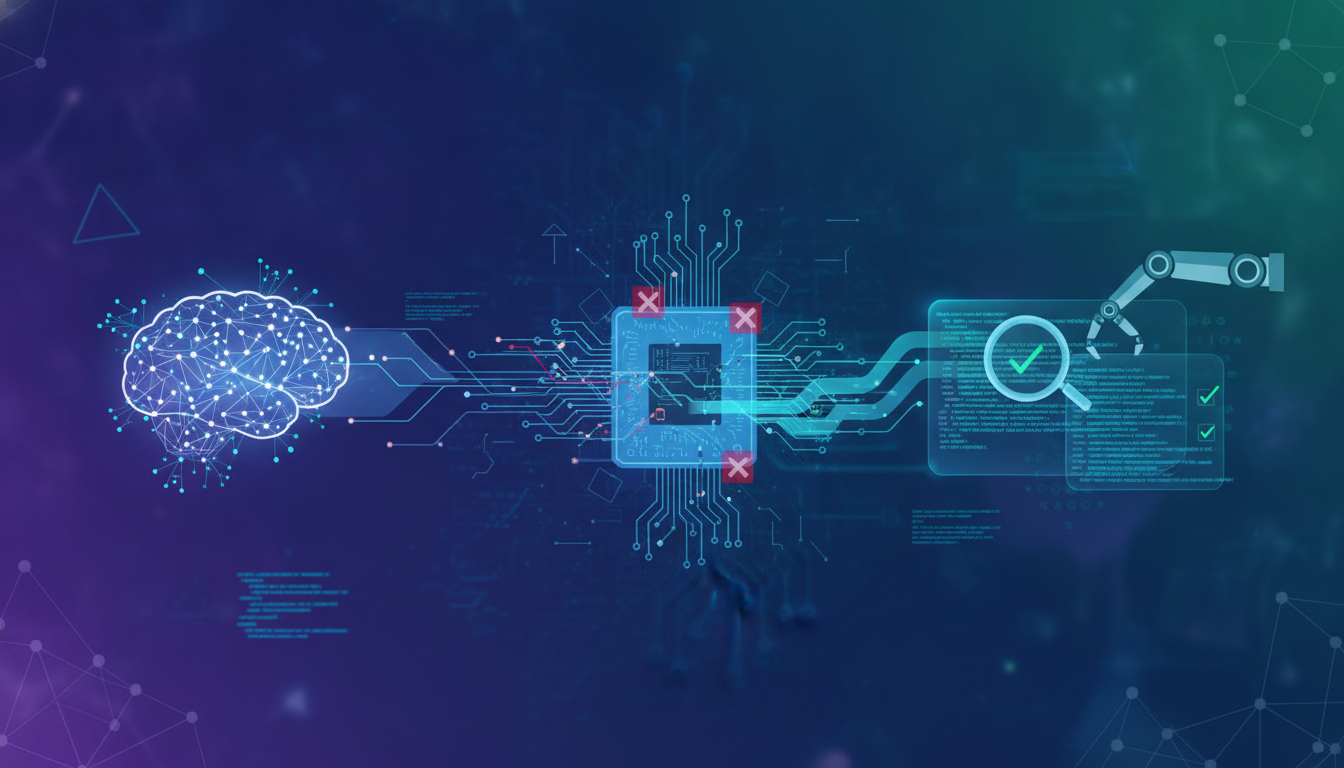
AI systems can revolutionize quality control by automating routine inspections and providing real-time feedback. For example, AI-powered OCR and document AI systems can quickly analyze quality check documents, flagging any discrepancies for human review.
In addition, AI can be integrated into ERP systems to streamline supply chain processes, ensuring that quality standards are maintained throughout the manufacturing lifecycle. By providing actionable insights, AI enables manufacturers to maintain high-quality standards consistently.
What challenges do companies face when integrating AI with engineering expertise?
One of the primary challenges is ensuring that AI systems are fully aligned with the practical realities of manufacturing processes. This requires a deep understanding of both the AI tools and the engineering principles underlying the production systems.
Moreover, there is often a cultural shift required within organizations. Engineers and AI specialists must collaborate closely, which can necessitate changes in communication and workflow processes. Companies need to invest in training and development programs to facilitate this integration and ensure that both AI and engineering teams are working towards common goals.
What this means for your organization
For organizations looking to enhance product quality through AI, it's crucial to strike a balance between technology and human expertise. Investing in experienced engineering talent can significantly enhance the effectiveness of AI systems, ensuring that they are not only powerful but also applicable in real-world scenarios.
Organizations should consider developing cross-functional teams that include both AI specialists and experienced engineers. This approach ensures that AI systems are grounded in practical engineering knowledge, leading to more reliable and high-quality products.
FAQ
How can AI systems be trained with engineering insights? AI systems can be trained with engineering insights by incorporating data and feedback from experienced engineers during the model training phase. This includes using historical data, engineering reports, and expert reviews to refine AI algorithms.
What are the benefits of combining AI with traditional engineering? Combining AI with traditional engineering allows for more robust and reliable systems. AI provides data-driven insights, while engineers offer practical knowledge and contextual understanding, leading to improved decision-making and product quality.
Is there a risk of AI replacing human engineers? While AI can automate certain tasks, it is unlikely to replace human engineers entirely. Instead, AI serves as a tool that complements the expertise of engineers, enabling them to focus on more complex and creative aspects of manufacturing.
To explore how EdubildAI can help integrate AI systems with engineering expertise in your organization, contact us today.
Saksham Gupta
Founder & CEOSaksham Gupta is the Co-Founder and Technology lead at Edubild. With extensive experience in enterprise AI, LLM systems, and B2B integration, he writes about the practical side of building AI products that work in production. Connect with him on LinkedIn for more insights on AI engineering and enterprise technology.