In the fast-paced world of enterprise engineering, software bug remediation can be a daunting task. With complex systems and an ever-growing list of projects, engineering teams often find themselves stretched thin. The need for efficient solutions is critical, particularly when dealing with multiple software environments and platforms. Enterprises are increasingly turning to Generative AI as a solution, but how can it be effectively leveraged to enhance software bug remediation?
Leveraging Generative AI for software bug remediation involves deploying AI agents that can analyze code, identify bugs, and even suggest fixes. These AI agents can significantly reduce the time engineers spend on debugging, allowing them to focus more on development and innovation. By integrating AI with existing tools, enterprises can create a seamless workflow that enhances productivity and reduces error rates. This approach not only accelerates bug resolution but also improves the overall quality of software releases.
How do AI agents identify and fix software bugs?
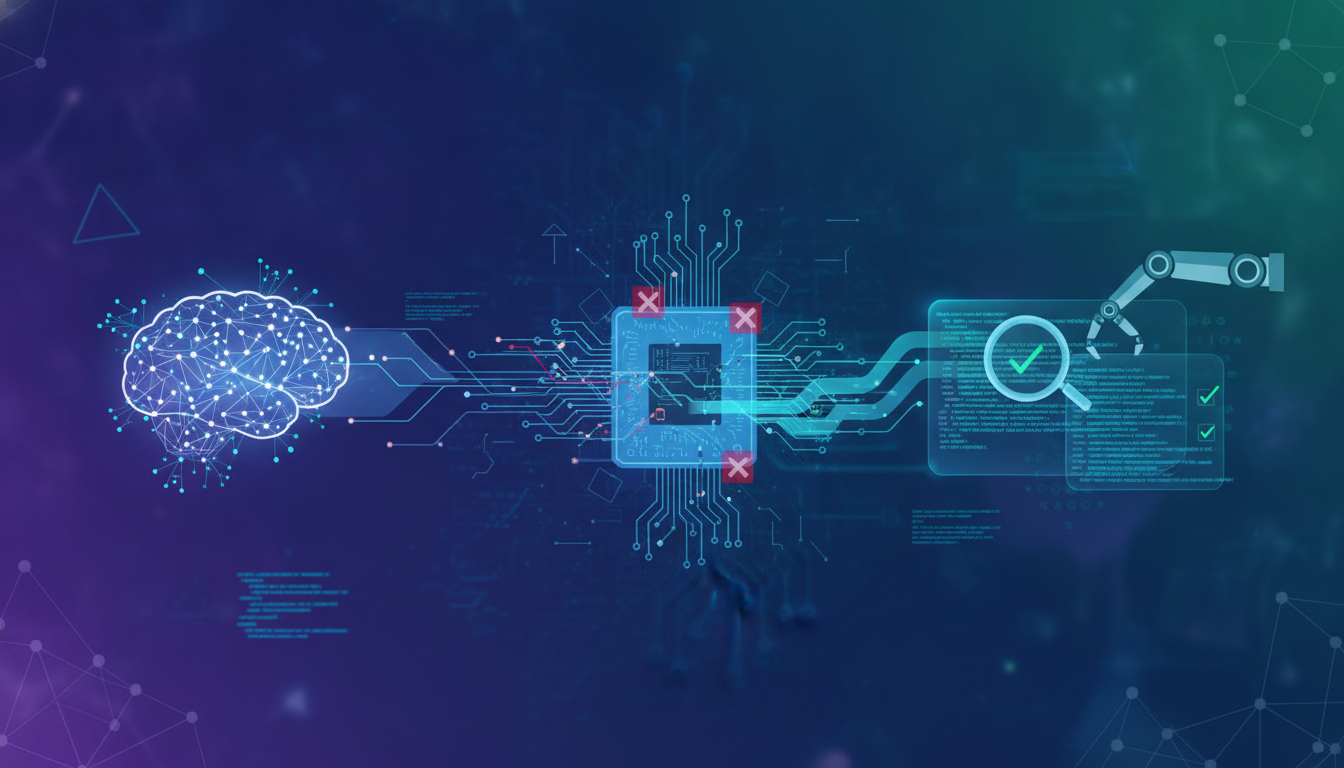
Generative AI agents can be trained to identify software bugs by analyzing patterns in codebases. These agents use machine learning models that have been fine-tuned on large datasets of code and bug reports. The AI can recognize anomalies in code logic, syntax errors, and even security vulnerabilities. Once a bug is identified, AI agents can suggest potential fixes by referencing code from similar past issues, speeding up the remediation process.
For instance, in the AI agents we deploy, the systems are designed to integrate directly with code repositories like GitHub or GitLab. This integration allows the AI to continuously scan code changes and alert developers to potential issues in real-time. The AI’s ability to learn from previous bugs and solutions means it becomes more efficient over time, reducing the manual workload on engineers.
What role does on-premise LLM deployment play?
On-premise LLM deployment is crucial for enterprises that prioritize data security and privacy. By hosting large language models (LLMs) internally, companies can ensure that sensitive code and data remain within their secure environment. This is particularly important for industries with stringent compliance requirements, such as finance and healthcare.
Deploying LLMs on-premise allows for customization to specific enterprise needs, enhancing the AI’s ability to understand and process domain-specific languages and terminologies. This tailored approach can lead to more accurate bug detection and remediation, as the AI becomes adept at recognizing patterns unique to the organization’s codebase.
How does Generative AI improve collaboration in engineering teams?
Generative AI fosters collaboration by acting as an always-available team member that supports engineers with immediate insights and suggestions. In cases like Cleo’s first-response automation, AI systems can handle initial bug triaging, freeing up human engineers for more complex problem-solving tasks.
The AI can also facilitate communication between team members by providing a shared understanding of the codebase and ongoing issues. This is achieved through automated documentation and report generation, which keeps all team members informed of current bug statuses and resolutions. As a result, teams can collaborate more effectively, reducing misunderstandings and redundant efforts.
What are the benefits of integrating AI with ERP systems?
Integrating AI with ERP systems, like those built on Frappe/ERPNext, enhances the capability to manage resources and workflows efficiently. AI can automate routine tasks such as bug tracking and reporting, which are often part of ERP functionalities. By doing so, AI not only speeds up these processes but also reduces the likelihood of human error.
The synergy between AI and ERP systems allows for a more holistic view of enterprise operations, where insights from bug data can inform decision-making and resource allocation. This integration supports proactive management of software development lifecycles, ensuring that potential issues are addressed before they escalate.
Implementation considerations
When implementing Generative AI for bug remediation, enterprises need to consider several factors. First, the integration of AI systems with existing workflows and tools is critical. Ensuring compatibility and ease of use can make or break the success of AI adoption. Additionally, organizations must evaluate the scalability of AI solutions to handle the growing volume and complexity of their codebases.
Data security is another crucial consideration, especially when dealing with proprietary code and user data. Enterprises should assess the security features of their AI solutions and consider on-premise deployments when necessary. Finally, ongoing training and support are essential to maximize the benefits of AI systems, ensuring that they continue to evolve and improve in line with enterprise needs.
FAQ
How quickly can AI detect and remediate software bugs? AI systems can detect and suggest fixes for software bugs in real-time as code is committed to repositories. The exact speed depends on the complexity of the code and the AI’s training but can be significantly faster than manual processes.
What are the costs associated with deploying AI for bug remediation? The costs vary based on the scope of deployment and customization needs. Initial setup may require investment in AI tools and infrastructure, but the long-term savings from increased productivity and reduced errors often justify the expenditure.
Can AI handle all types of software bugs? While AI can handle many types of bugs, particularly those involving pattern recognition and logic errors, human oversight is still necessary for complex issues that require contextual understanding or creative problem-solving.
Is it necessary to retrain AI models frequently? Yes, regular retraining of AI models is recommended to ensure they remain effective as software development practices and technologies evolve. Continuous learning helps AI adapt to new patterns and requirements.
Interested in enhancing your software bug remediation process with Generative AI? Contact us to discuss how EdubildAI can support your enterprise needs.
Saksham Gupta
Founder & CEOSaksham Gupta is the Co-Founder and Technology lead at Edubild. With extensive experience in enterprise AI, LLM systems, and B2B integration, he writes about the practical side of building AI products that work in production. Connect with him on LinkedIn for more insights on AI engineering and enterprise technology.