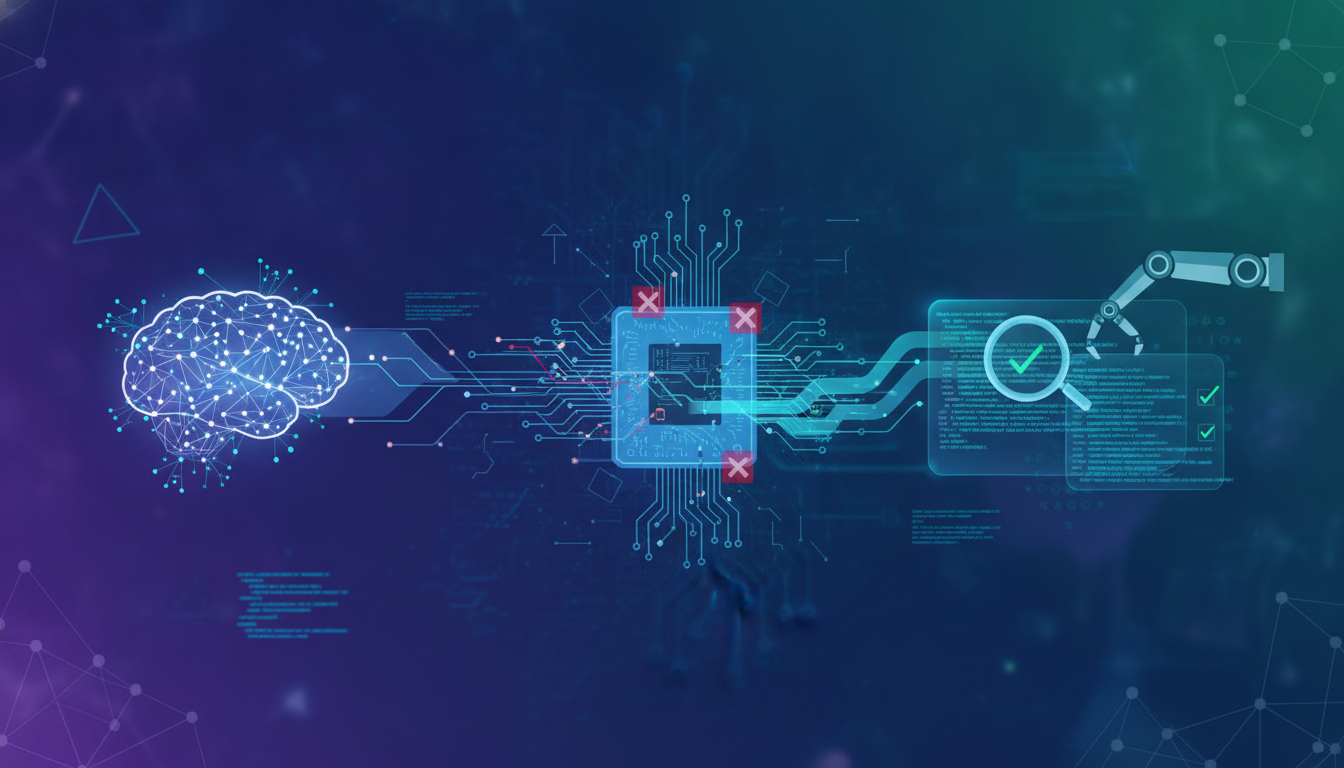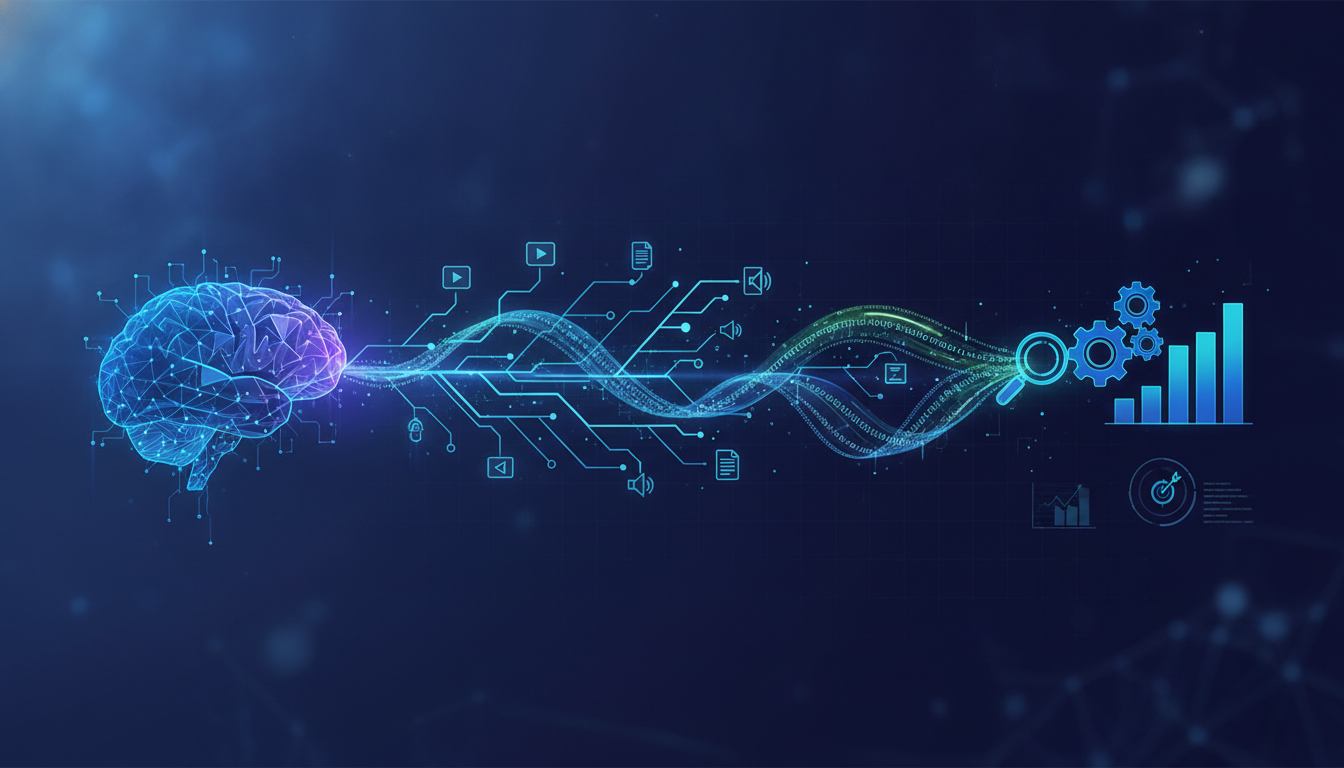
Scaling a content library for AI-driven media optimization presents a significant challenge for enterprises. The task is not just about accumulating content but reaching a scale where AI can effectively drive distribution and monetization. For companies like Cineverse, the key to leveraging AI lies in having hundreds of thousands of titles, rather than a few hundred, to truly benefit from AI capabilities.
To effectively scale your content library for AI-driven optimization, focus on achieving a substantial scale of content, alongside integrating technology platforms that support AI strategies. This involves not just expanding the number of titles but also enhancing metadata and ensuring quality content enrichment. As of mid-2026, enterprises that have crossed this threshold, like Cineverse, are already seeing AI transform their media supply chains, from content ingestion to monetization.
Why is Content Scale Critical for AI Optimization?
The effectiveness of AI in media optimization is directly tied to the scale of content available. AI algorithms thrive on large datasets to identify patterns, make predictions, and optimize processes. For instance, Cineverse emphasizes that a library with hundreds of thousands of titles allows AI to generate meaningful insights and drive effective content distribution and monetization. Smaller libraries may not provide enough data diversity or volume to train AI models effectively, limiting their potential impact.
In practical terms, AI-driven platforms like Cineverse's Matchpoint, which runs the entire media supply chain, require substantial data to function optimally. The large volume of content aids in refining algorithms that enhance audience targeting, personalize content, and optimize revenue streams. This scale ensures that AI can automate processes that competitors might still handle manually or semi-manually.
How Does AI Enhance Content Distribution and Monetization?
AI optimizes content distribution and monetization by automating complex decision-making processes that would otherwise require significant human intervention. Platforms like Matchpoint use AI to streamline the media supply chain, from content ingestion to delivery and monetization. By owning the full technology stack, companies can integrate AI seamlessly, enhancing efficiency and reducing reliance on partial solutions.
AI-driven automation differentiates enterprises in competitive markets. For example, in India’s burgeoning media landscape, enterprises leveraging AI can more effectively manage content libraries, optimize ad placements, and personalize viewer experiences, leading to increased engagement and revenue.
What Role Does Metadata Play in AI Optimization?
Metadata enrichment is a foundational element for AI-driven media optimization. Rich metadata allows AI systems to understand content context, genre, and audience preferences, which is crucial for effective content recommendation and distribution strategies. Enterprises should invest in comprehensive metadata capabilities to support AI initiatives.
Incorporating AI in metadata enrichment can involve using OCR and document AI to automate data extraction and categorization. This not only improves content discoverability but also enhances the personalization of content delivery, crucial for maximizing engagement and monetization.
How Can Enterprises Build an Integrated AI Technology Platform?
Building an integrated AI technology platform requires aligning AI strategies with business objectives and ensuring seamless integration across the media supply chain. Companies like Cineverse have achieved this by combining acquisitions with technology development, resulting in a unified platform that supports AI-driven optimization.
To replicate such success, enterprises should consider on-premise or private LLM deployment to maintain control over data and processes. This approach ensures data privacy and security, particularly important for enterprises dealing with sensitive content.
What This Means for Your Organization
For organizations aiming to scale their content library for AI-driven optimization, the focus should be on both expanding content and enhancing the underlying technology infrastructure. This involves a strategic approach to content acquisition, metadata enrichment, and AI platform integration.
Enterprises should evaluate their current content scale and technology capabilities, identifying gaps where AI could drive improvements. Collaborating with AI specialists for LLM fine-tuning or AI agent deployment can provide tailored solutions that align with organizational goals.
FAQ
How large should my content library be for effective AI optimization? A content library should ideally contain hundreds of thousands of titles to effectively leverage AI for optimization, as smaller datasets may not provide sufficient data diversity for robust AI model training.
What are the benefits of metadata enrichment in AI-driven media optimization? Metadata enrichment enhances content discoverability and personalization, enabling AI to make more informed recommendations and optimize content distribution strategies.
How do I ensure data privacy with AI-driven content optimization? Consider deploying AI solutions on-premise or using private LLMs to maintain control over data and ensure compliance with data privacy regulations.
To explore how EdubildAI can assist in scaling your content library for AI-driven optimization, contact us today.
Saksham Gupta
Founder & CEOSaksham Gupta is the Co-Founder and Technology lead at Edubild. With extensive experience in enterprise AI, LLM systems, and B2B integration, he writes about the practical side of building AI products that work in production. Connect with him on LinkedIn for more insights on AI engineering and enterprise technology.